michaelsvenningsen.comProfessional profile and CV

Curriculum Vitae · Vejle, Denmark

Michael
Svenningsen

Journalist, communications professional and leader

I find the stories, bring clarity and bring people together.

Visit michaelsvenningsen.com ↗
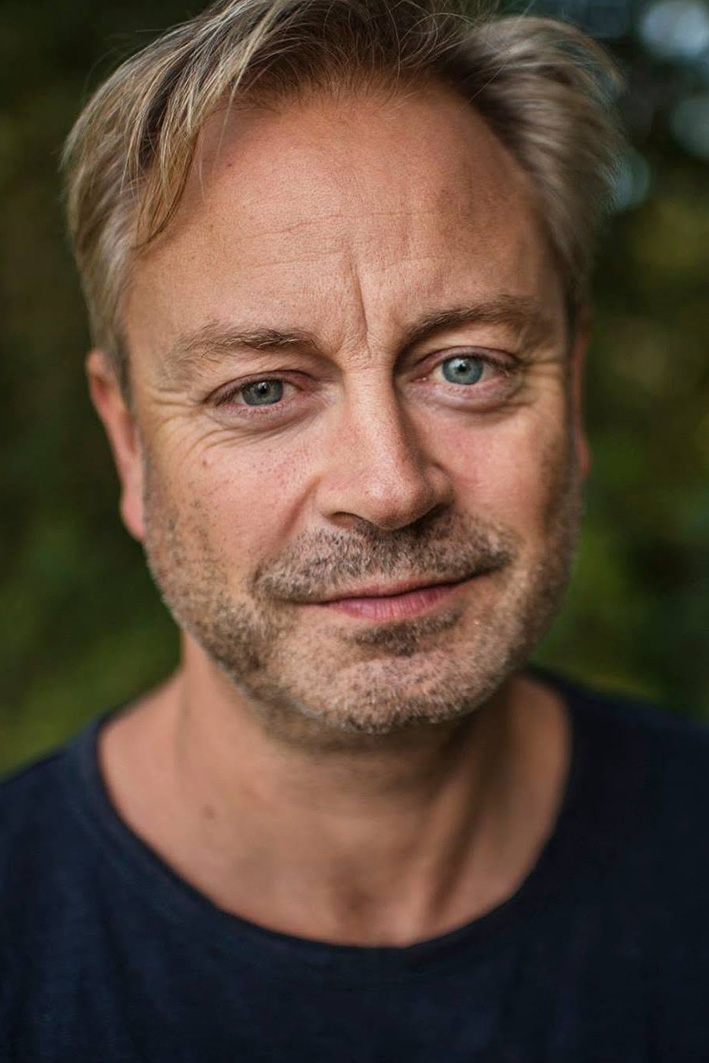
Portrait of Michael Svenningsen in a blue shirt
JournalismEditorial leadershipStrategic communicationAI · SEO · GEO · UXOSINT · n8n

If I were a reporter at a paper like Ekstra Bladet or B.T.

A source calls from Copenhagen’s western suburbs. The police have closed a road and a video is already doing the rounds. My first question is simple: what did you see yourself? I ask for the number of the person who filmed it, establish where and when it was shot, and call the police. Meanwhile, I make sure the homepage editor knows what I have and what we still need to confirm. As a duty editor at JydskeVestkysten, I’ve had three stories breaking at once. I know what the desk needs from me when I’m out at the cordon with my camera. And if the case comes before a judge the next morning, I want to be in court.

The story I’d most like to bring you might also start with four lines in a local paper on Funen. One person says they’ve been let down. Are there others? I call the person involved, ask to see the paperwork and find out who else knows the case. If the documents suggest a pattern, I request the records and put the specifics to the person responsible. Those are the stories I want to find in Jutland and on Funen. In Copenhagen, I already have sources from Valby to the western suburbs, among police officers and people in football. Several have called me with a tip before the story reached other outlets. That trust is what I’d bring to your newsroom.

If I were education editor at Altinget

Once the minister has read the PISA report, what help will a 15-year-old who struggles to read actually get? That would be my first question at Christiansborg. In PISA 2025, Danish 15-year-olds scored an average of 460 points in reading, down from 489 in 2022. I’d ask the researchers behind the Danish study to show me which pupils saw the steepest decline. Then I’d ask the minister which measures are meant to reach those pupils. Who is responsible, what funding has been set aside, and when will the minister take stock? I’d take that commitment to a school reading specialist and ask her to show me what she can now do for a pupil she was already worried about last year.

Who gets a new workshop, where will it be, and how far will students have to travel to get there? That’s where I’d start my coverage of epx, Denmark’s new vocationally and professionally oriented upper secondary programme. The agreement sets aside DKK 4.8 billion from 2027 to 2034 to put it into practice, chiefly for workshops, specialist classrooms and equipment. From my time at FGU Trekanten, I know what education policy looks like to a young person deciding what to do after the summer holidays. I’d request the records behind the choice of sites and make the journey with a student. In the Altinget Uddannelse newsletter, I’d lead with what the documents show, give the person responsible a chance to respond and tell readers when the next decision is due. I’d put that date in my own diary, too.

If I were the digital editor for Denmark’s largest political party

What will this mean for my child on Monday? That is what I would ask your education spokesperson if I were explaining a new schools proposal on your channels. The answer determines whether I can say there will be another adult in the classroom or whether that still depends on a funding agreement. As a duty editor at JydskeVestkysten, I had to find the decisive fact while a story was still developing. I can also take my camera to the school, let a teacher ask the next question and cut the answer into a short video that makes sense to a parent on the way home from work.

At Social Reach, I would take responsibility for today’s posts and the story we need ready by Friday. Each morning, the press, campaign and editorial teams should be able to look at one calendar and see who is producing each piece, who signs it off and when it goes live. If the agenda changes at eleven, I will decide what can move, call the adviser who can confirm the facts and get the first post out. Afterwards, I want to read the comments and see where people stopped watching. If the same question keeps coming up, that tells us what our explanation missed. That is where I would start the next post.

If I were a press adviser at the largest insurance company in the Nordic countries

Why did the same family’s basement flood twice in one year? If I heard about that story, I’d start by talking to the family, then ask our claims team what they saw at the property. I’d look at the claims figures to see whether there was a pattern and ask colleagues in Sweden and Norway whether they’d seen anything we could learn from in Denmark. As a journalist, I know what I’d ask if an insurer like If called me with the story. What could the family have done themselves? What needs a decision from the local council? And what did the insurer do after the first flood? If we can give a straight answer to all three, that’s a story I’d pick up the phone to an editor about.

When the call comes from a journalist, perhaps with a story about a family who have waited weeks for an answer from their insurer, let’s take If again, I know the pressure on both ends of the line. As a duty editor, I’ve been up against a deadline waiting for the one answer that could change the story. I’d agree a time to call the journalist back, establish what happened and when, and prepare our spokesperson for the question the family has every right to ask. If we’ve made a mistake, I’d advise us to say so plainly and explain what we’re doing about it. And if I’ve promised to call back at three, I’ll call at three. Even if I’m still waiting for an answer.

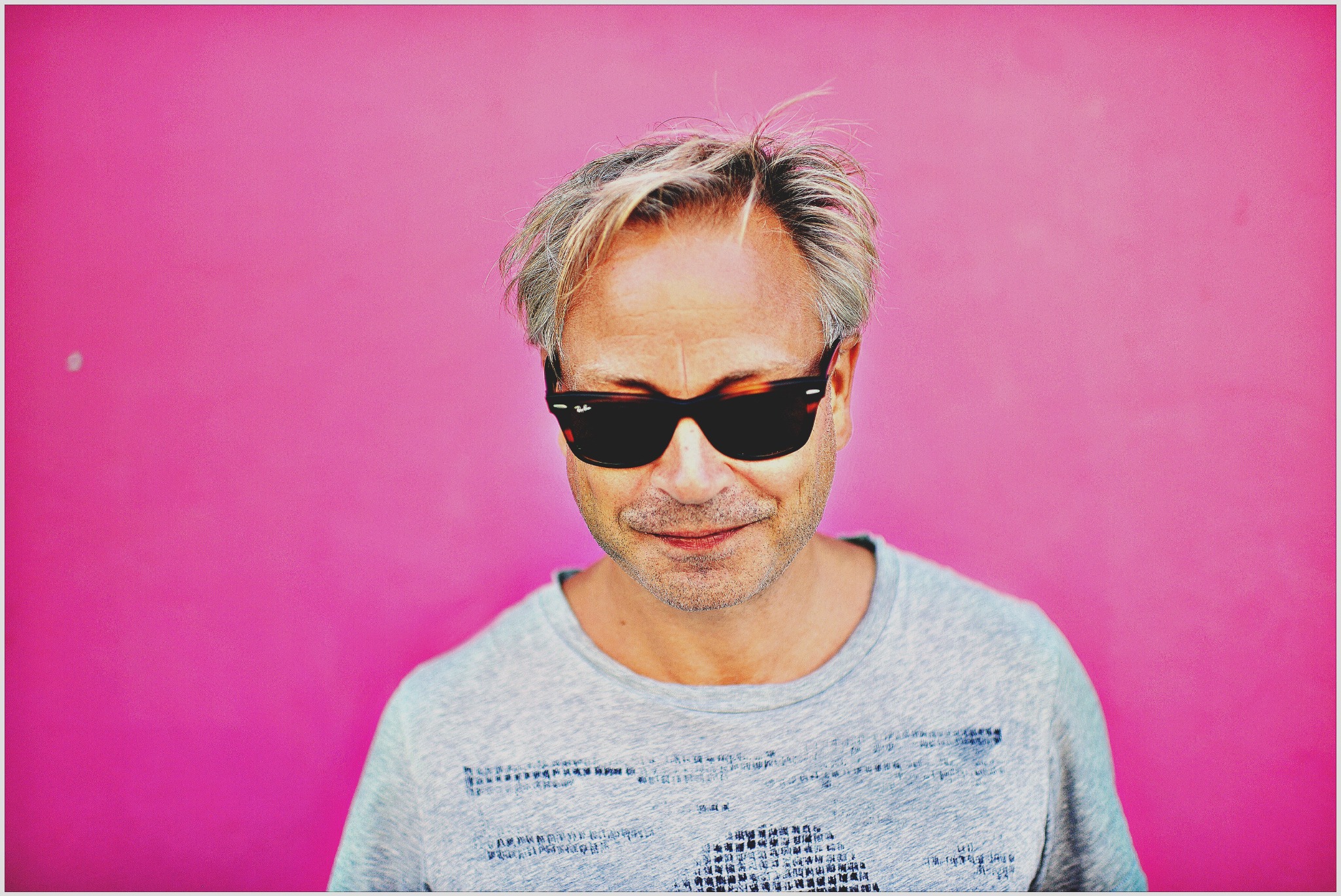
Michael Svenningsen wearing sunglasses against a pink background
I find the angle, ask the questions and take the photographs myself. Back at the news desk, I pull the story together and decide what we can publish now and what needs one more phone call.
01

Profile

You know what AI can do. The texts are polished. They read well. And often they sound much the same.

But perhaps you also know the feeling that there is nobody really there behind the words. You read the sentences without sensing the person.

You are the person I want to write for. I start with your questions, your everyday life and what you are trying to make happen. A text should give you something. Otherwise, it hardly matters how polished it is.

So I still sit with a pencil, an eraser and a typewriter. In my head. I try a sentence. Cross it out. Start again. Until the words say what I actually mean to the person I want to reach.

I want to write something that reaches your heart, your gut and your mind. Something you can use, and where you can feel that someone has taken care.

Because I would really like to write for you. You in particular.

As a journalist, photojournalist and duty editor, I have worked with research, prioritisation and storytelling under pressure. I am used to bringing different skills together, keeping assignments moving and taking responsibility for what is published.

I have helped grow social media followings, increase readership and generate more interaction around content. For me, that work begins with a simple question: What does the audience gain by spending time on this?

My leadership experience spans newsrooms, international communications and the management of refugee camps in the former Yugoslavia, including present-day Serbia and Bosnia and Herzegovina. Today, I also volunteer as a communications lead with the Red Cross.

I use AI, data and OSINT to investigate, organise and verify information. Technology should make the work more thorough and free up time for the people and stories that need my attention.

What I contribute

A colleague who can find the relevant angle, bring clarity and turn complex information into words and images people can use. I take responsibility for my own work and for helping the team move forward.
The person behind the CV  ·  DISC & ikigai

I like my working days with both question marks and exclamation marks.

I can spend quite a while on a good question. Not because I need to be right, but because I want to understand what is right. Details matter to me. So does the evidence. I want to be able to stand behind what I put into the world.

And then I can get almost childishly excited when an idea suddenly comes alive. When a photograph says more than a report. When a colleague spots something I missed. When, together, we make something happen.

I am happy to take responsibility, bring structure and tackle difficult problems. But I do not think the best work comes from steamrolling people. I would rather listen properly, ask one more question and find a solution that lasts. For the people who have to work with it afterwards, too.

I love the Japanese word ikigai. To me, it is about the joy of using what I know and love to do something other people genuinely need. That is where I want to be. Between curiosity and usefulness. Between rigour and imagination. Between people and purpose.

I want to understand something before I change it. But I do not want to stop at understanding.

02

How I work

How do you make content relevant?

I begin with the audience’s questions. What do they need to understand, what matters to them, and what should the story help them do?

From there, I choose the angle, evidence and format. A headline should spark curiosity, and the content should deliver on its promise.

I want to give the reader something useful in the content itself before asking for a click, a sign-up or another action.

In an investigation of an international fatal accident in Spain, I used Danish, Norwegian and Spanish sources and critically analysed the authorities’ communications. That provided a basis for distinguishing what could be documented from the questions that remained unanswered.

How do you use AI?

AI is useful when I know what to ask and can assess the answer. My professional knowledge is essential for spotting errors, asking the next question and deciding what is relevant.

I use AI for research, analysis, structuring information, data work and idea development. I trace information back to its sources and assess the language, angle and evidence myself.

I never publish anything I cannot stand behind myself. That also applies when an algorithm sounds extremely convincing.

How do you approach engagement?

I have helped grow social media followings, increase readership and generate more interaction. These are results I bring from my work with content and communication.

My starting point is the connection between the audience’s interests, the angle of the story and how the content is presented. The reader needs a reason both to stop and to keep reading.

I see follower numbers, readership and interaction as different indicators of whether we are reaching people. What matters is that the content is relevant and credible for the people we want to connect with.

How do you work with change?

I begin with the task and the people who need to do it. What needs to work better, and what do they need to be able to do?

Then I consider whether a new tool or a different workflow can help. A clear direction and room for questions are part of bringing people with you.

Why do images matter so much?

Because people often feel a story before they analyse it. A good photograph can say in a second what might otherwise take three paragraphs.

That is why I prefer to be present where stories unfold and document them with original photographs. Authentic images strengthen credibility, document reality and bring the audience closer to what happened.

I see text, photography and video as one story. And I still prefer having been there myself and getting a little reality on my shoes.

What are you focused on right now?

I explore how companies, media organisations and institutions can make their content easier to find and understand, both in search engines and in AI-generated answers. This involves SEO, Generative Engine Optimization (GEO) and clear documentation.

At the same time, I develop workflows where AI frees up time for better journalism, stronger communication and more creativity without compromising quality, ethics or human judgement.

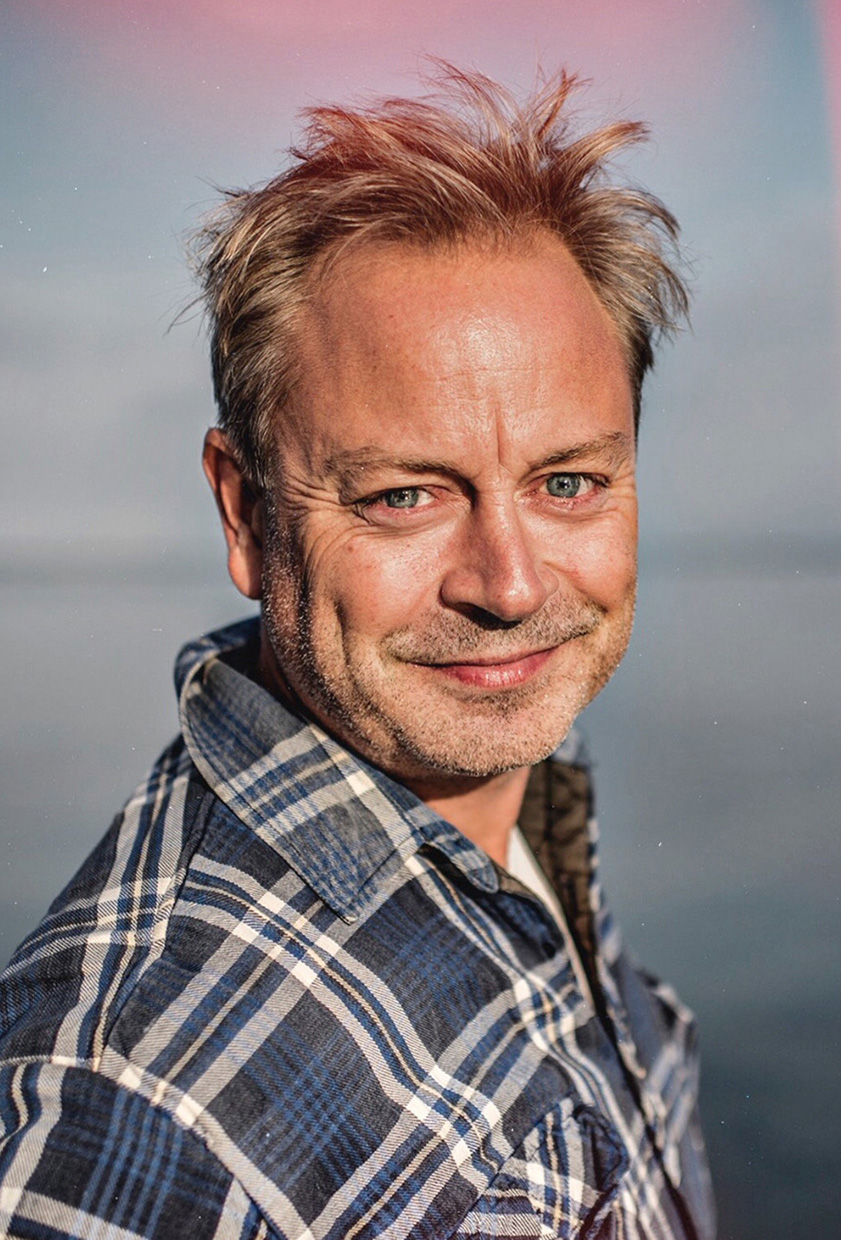
Portrait of Michael Svenningsen in a checked shirt

Visual communication

Words, images and documentation should work together.

I work with the whole story: the research, the words, the images, the structure and the digital presentation. It creates a clearer experience and a stronger connection between documentation and communication.

03

Selected experience

Journalist, duty editor and photojournalist

JydskeVestkysten, Aarhus Stiftstidende, Vejle Amts Folkeblad and JFM

2005–2026

  • As a duty editor, I prioritise stories, coordinate the news flow and bring the newsroom’s different skills together when time is short.
  • I investigate thoroughly and ask again when something does not add up. I use data, OSINT and AI in my research, but trace information back to its sources. That gives me a solid foundation for telling both the stories of what works and the stories of what still needs attention.
  • Experienced in critical and investigative journalism where power and competing interests must be examined, facts documented and the story able to withstand scrutiny from the people it concerns.
  • I work best close to reality: out among people, with a camera or notebook in hand and enough time to listen properly. That is often where you discover what never makes it into a press release.
  • I actively contribute to an editorial culture where we share knowledge, challenge one another's angles and help each other get the work across the line. To me, a good result also means the colleague next to me succeeds.

Value: Prioritisation, research and editorial collaboration that help stories reach publication on a basis the newsroom and its readers can trust.

Photojournalist

Herning Folkeblad

2001–2004

  • I learned that a good story can be hiding anywhere – at city hall, in a changing room, at the local shop or wherever someone says: “It is probably not something for the newspaper, but…”
  • Worked with photojournalistic documentation of people and local stories. Being present, observing and listening were the foundations for finding the image that told the story.
  • I learned the value of treating people properly, whether I met them on one of the best days of their lives or one of the worst. Trust cannot be ordered to meet a deadline; it is built through the way you behave.
  • I also discovered how much job satisfaction comes from a strong group of colleagues: learning from people who can do something you cannot yet do yourself, and passing that knowledge on when you become the experienced one.

Value: Experience in building trust, documenting reality and finding the images that bring a story closer to its audience.

Communications lead

FGU Trekanten

Project role · 2020

  • Found and told stories from the students’ everyday lives and the school’s workshops through words and photographs.
  • Made education tangible through stories about people, development and the small victories when a young person realises: I can actually do this.
  • Together with management, staff, the press and external partners, I worked to give the school's strongest stories a life beyond the organisation.
  • Used the students’ reality as the starting point when explaining the school’s purpose and opportunities to people outside the organisation.

Value: Communication that connects the school’s purpose with students’ everyday lives and makes its opportunities understandable to people outside the school.

Communications Director

PT. Bass, FedEx and Siemens, Jakarta, Indonesia

1998–2001

  • Responsible for marketing, communications and external relations in international companies where messages had to work across languages, cultures and very different expectations.
  • Led staff and worked closely with international and local colleagues, customers and decision-makers.
  • Jakarta taught me a great deal about leadership: set a clear direction, listen before you speak – and never assume your own way is necessarily the only right one.
  • I learned to be curious about differences rather than turn them into problems. That lesson has shaped the way I collaborate, communicate and learn ever since.

Value: Experience in bringing staff and partners together around clear messages across languages and cultures.

04

Leadership

Communications lead · Volunteer

Red Cross

Current

  • I volunteer as a communications lead with the Red Cross.
  • My focus is on making volunteering understandable and relevant to people who want to get involved and people who may need support.
  • I use my journalistic experience to find the concrete stories that show what volunteering can mean.

Value: Communications expertise and leadership experience in a voluntary organisation whose purpose needs to make sense in people’s everyday lives.

Refugee camp manager

Former Yugoslavia · Serbia and Bosnia and Herzegovina

I have managed refugee camps in the former Yugoslavia, including present-day Serbia and Bosnia and Herzegovina.

I bring that experience to work that requires responsibility, perspective and collaboration across languages and cultures.

Value: Leadership experience from humanitarian work in an international setting.

05

Skills

  • Journalism
  • Editorial leadership
  • Newsroom management
  • Duty editor
  • Strategic communication
  • Internal communication
  • External communication
  • Media relations
  • Crisis communication
  • Stakeholder management
  • Leadership advisory
  • Team coordination
  • Photojournalism
  • Visual storytelling
  • Breaking news
  • Investigative research
  • OSINT
  • Source criticism
  • Source verification
  • Artificial intelligence
  • Large language models
  • SEO
  • Generative Engine Optimization
  • UX
  • Structured content
  • n8n automation
  • Content workflows
  • News monitoring
  • Cross-cultural communication
  • Social media
  • Audience development
  • Audience engagement
  • Volunteer leadership
  • Humanitarian leadership experience
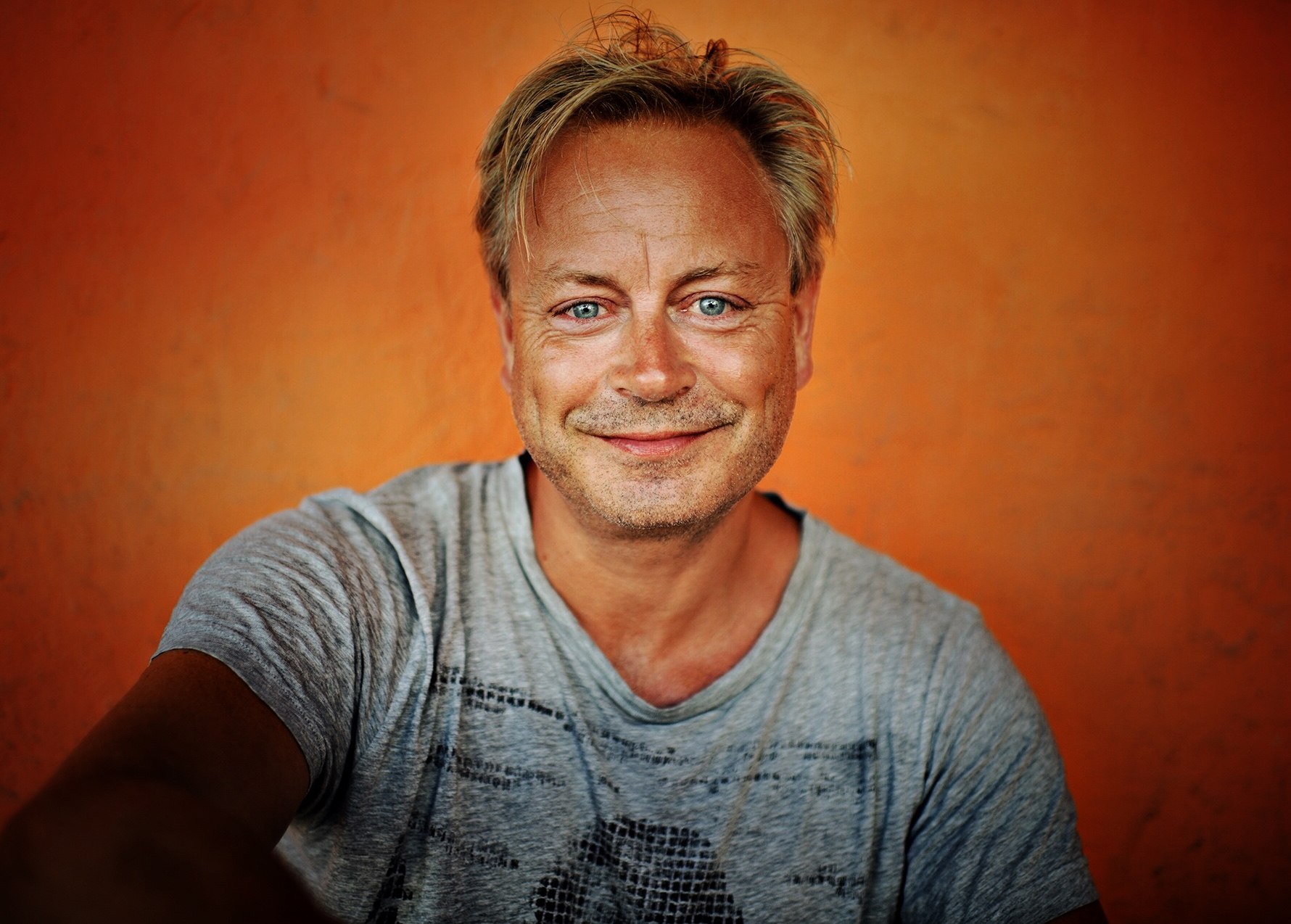
Portrait of Michael Svenningsen against an orange background

Curiosity and presence

The strongest stories begin by showing up.

Journalism and communication come alive when you meet people, listen properly and notice what is not in the spreadsheet. That is why I work inquisitively, visually and close to reality — preferably where things are actually happening.

06

Education

Master’s in Journalism and Communication

University of Teesside, Middlesbrough, United Kingdom.

Internships: The Scotsman in Edinburgh and The Irish Times in Dublin.

07

Languages

Danish
Native
English
Fluent / professional
German and Indonesian
Good spoken level and comprehension
Spanish and French
Moderate comprehension and basic conversational level
The common thread

I find the relevant story, bring clarity and bring people together to get things done.

My experience connects journalism, communications and leadership. I bring it to work where words, images, coordination and collaboration need to lead to something concrete. Preferably with room for curiosity, good humour and people who dare to think out loud.

Get in touch →